2026 Hurricane Season Forecast Review
Podcast: Play in new window | Download
Subscribe: Apple Podcasts | RSS | More
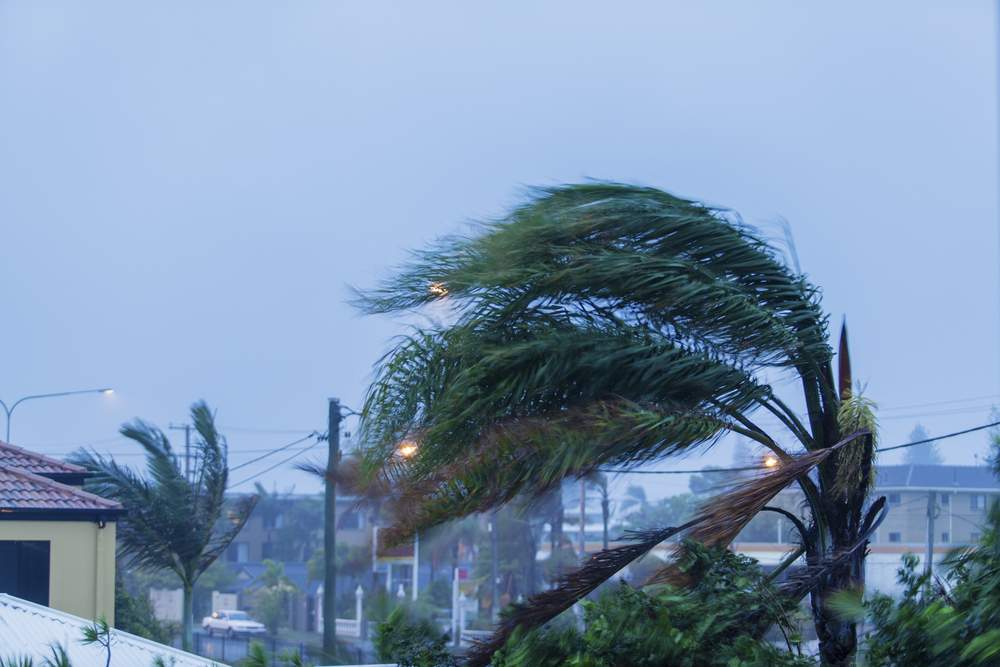 This week on the Disaster Podcast we take a look at the 2026 hurricane forecast put out by several universities, NOAA, and groups like Accuweather. One key variable in predicting the coming season is the presence or absence of El Niño or La Niña in the equatorial region of the central Pacific Ocean. Dan DePodwin, our disaster weather expert breaks down the coming forecast and talks about how global weather and climate patterns impact storm formation half a world away.
Dr. Joe Holley joins the discussion as well and we look at the messaging around hurricanes as they approach landfall. The National Hurricane Center recently updated their forecast cone graphic to make it easier to understand. Dan and Joe share their thoughts about the adjustments and about disaster messaging in general. Joe also shares his thoughts about preparedness for the coming season at the local, state, and federal levels.
What to know about the new cone graphic:
- Incorporates all land-based (coastal and inland) tropical storm and hurricane watches and warnings in effect for the continental United States, Hawaii, Puerto Rico, and the U.S. Virgin Islands;
- Uses single shading for the entire 5-day outlook cone;
- Legend depicts symbols for areas where a hurricane watch and tropical storm warning are both in effect (represented by diagonal pink and blue lines); and
- Full and intermediate Tropical Cyclone Advisories are/will be publicly available on hurricanes.gov.
NHC will also be introducing a new experimental version of the NHC’s Tropical Cyclone Track Forecast Cone. Since its debut in 2002, the cone has shown where the tropical cyclone’s forecast center is likely to go, based on past forecast calculations.
Scroll down for Podcast Discussion Summary
 Thank you as always to Paragon Medical Education Group for their long-term support of the Disaster Podcast. Dr. Joe Holley and the team at Paragon continue to provide excellent and customized disaster response training to jurisdictions around the U.S. and internationally as well.
Podcast Discussion Summary
Hurricane Season Forecast Discussion
The podcast host Jamie Davis welcomed back Dr. Joe and Dan Depodwin to discuss upcoming weather events, particularly the hurricane season. Dr. Joe shared his upcoming schedule, including a Paragon lab in Florida and the First Care Conference in Fort Lauderdale in early June, which runs alongside the Gathering of the Eagles event. Dan discussed unusual weather patterns in the Northeast, noting chilly conditions in May despite early warm spells, and shared AccuWeather’s forecast for the Atlantic hurricane season, predicting 11-16 named storms and 4-7 hurricanes, which is around or slightly below average. He emphasized that even in a below-average season, multiple hurricanes could still impact the United States, using Hurricane Andrew in 1992 as an example.
El Nino’s Impact on Hurricanes
Dan and Jamie discussed how El Nino and La Nina affect hurricane seasons in the Atlantic Basin. Dan explained that El Nino, characterized by warmer than average water temperatures in the Pacific, typically leads to increased wind shear in the Atlantic, resulting in fewer hurricanes. They noted that while El Nino years generally have fewer storms, they don’t eliminate the possibility of storms. Dan mentioned that current forecasts indicate a strong or potentially record-breaking El Nino developing later in the summer and continuing into the fall.
El Niño and Hurricane Season
Dan explained that El Niño is driven by weakening easterly winds along the equator in the Pacific Ocean, which reduces cooler water upwelling and leads to warmer ocean temperatures. He noted that hurricanes play a crucial role in transferring energy globally by moving heat from the equator to higher latitudes. Dan emphasized that while this year’s hurricane season may have fewer storms than normal, the warm sea surface temperatures in the Atlantic and Gulf of Mexico will continue to fuel storm intensification, making preparation essential during the season running from June 1st to November 30th.
Hurricane Preparedness and Response Planning
The group discussed hurricane preparedness and response capabilities ahead of the upcoming hurricane season. Joe explained FEMA’s reorganization, noting that while federal response capabilities are effective, there may be variability in state-level preparedness and recovery efforts. The discussion included an analysis of updated National Hurricane Center forecast cone graphics, which now better show inland risks and warning areas. Dan and Joe emphasized the importance of heeding evacuation orders and preparing well in advance of storms, with Joe highlighting the need for experiential training and partnership between federal and state teams.
Wrap up and updates
The team went through contact information and the team encouraged listeners to stay safe. The group discussed the role of specialized training, with Jamie highlighting the sponsorship of the Disaster Podcast by Paragon Medical Education Group.
Catch the full episode using the player above or on your favorite podcast platform, and don’t forget to subscribe to the Disaster Podcast for weekly insights from leaders in disaster response and research!


Recent Comments