Future Proof Homes Against Disaster with Ben Gilliland
Podcast: Play in new window | Download
Subscribe: Apple Podcasts | RSS | More
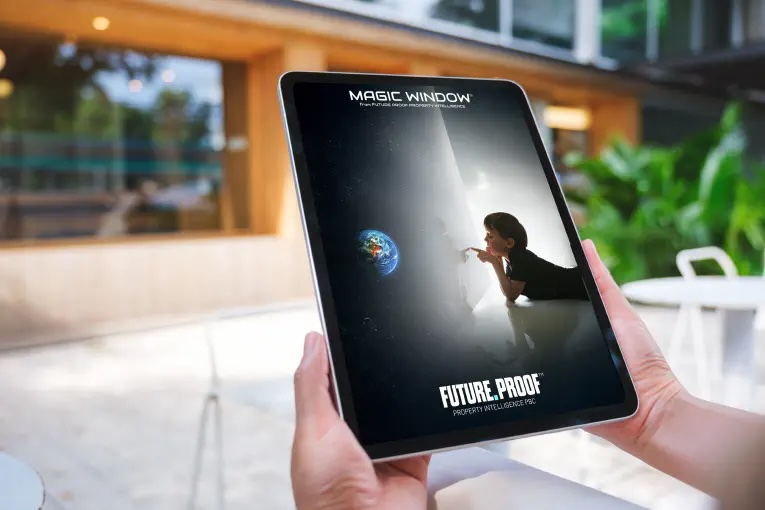 The Disaster Podcast hosted Ben Gilliland from Future Proof Property Intelligence to discuss his company’s AI-powered solution for assessing and mitigating climate-related risks to homes. Ben explained how their technology uses smartphone video scans, NVIDIA AI, and IBM climate data to create 3D models of properties, identify risk factors, and provide remediation plans and cost estimates. The discussion covered how their system addresses the mismatch between rising weather risks and shrinking insurance options, with an average cost of $10,000-$40,000 for home remediation.
Becky DePodwin joined the call as well to offer her thoughts on this technology. The episode is co-hosted by Sam Bradley and Jamie Davis.
Scroll down for Podcast Discussion Summary
 Thank you as always to Paragon Medical Education Group for their long-term support of the Disaster Podcast. Dr. Joe Holley and the team at Paragon continue to provide excellent and customized disaster response training to jurisdictions around the U.S. and internationally as well.
Podcast Discussion Summary
Disaster Response Program Evolution
The group discussed Joe, a Memphis-based medical director and ER doctor who runs Pentagon Medical Education Group, which provides experiential training for disaster responders using cadaver labs. Benjamin shared that his organization has shifted focus to develop a private sector solution for disaster mitigation after FEMA’s funding changes, working with Thomas Chandler from Columbia on developing remediation programs. Benjamin explained how their program has evolved to include three main areas: remediation, education, and preparedness, moving from a initial focus on house hardening to a broader approach including people engagement and warning systems.
Resilience Technology Podcast Preparation
The meeting focused on preparing for an upcoming podcast episode about using technology to enhance home and workplace resilience. Benjamin Gilliland from Future Proof Property Intelligence was introduced as the guest. The hosts, Jamie and Sam, discussed the format of the podcast and introduced Becky, a meteorologist and emergency management expert, as a participant. The conversation briefly touched on weather conditions and El Nino before transitioning to prepare for the main discussion about resilience technology.
AI-Powered Home Assessment Solution
Benjamin shared his extensive background, from his early career in lighting design for rock bands to his involvement in early Silicon Valley computing, where he funded several technology projects including the first spelling checker and multimedia initiatives. He explained how his non-profit TPHA.org, which focuses on affordable and climate-resilient housing in Hawaii, led to the development of Future Proof’s AI-powered solution. The system uses iPhone video recordings to create 3D models of homes, generating repair plans, budgets, and material lists while also identifying available government grants and financing options for home improvements.
Disaster Preparedness and Risk Mitigation
Benjamin and Sam discussed disaster preparedness and risk mitigation, particularly focusing on a three-silo approach involving home assessments, education, and emergency alerts. Benjamin explained their work with Columbia University, which includes developing a vision system using AI to help homeowners identify safe areas in their homes during disasters, while simultaneously creating video records of their belongings for insurance purposes. They also discussed a comfort bot with patent-pending technology that can adjust its messaging based on the listener’s age and situation during emergency alerts.
AI Emergency Warning Conflicts
Becky raised concerns about how AI systems might handle competing emergency warnings, such as conflicting advice during Hurricane Ida where tornado and flooding warnings contradicted each other. Benjamin acknowledged this was still an area being developed, mentioning NVIDIA’s work on reasoning components and noting that while the system could potentially handle house-related alerts, direct AI instructions for emergency warnings were still 2-3 years away. The discussion highlighted the need to address how AI systems might triage conflicting alerts based on house mapping and personal information, though current AI trustworthiness for direct emergency instructions was deemed insufficient.
Address-Level Risk Assessment System
Benjamin explained that their risk assessment system operates at the address level rather than broader grid squares, providing more granular data than what insurance companies currently use. He described how they can identify specific risk factors like trees near homes in Southern California versus central Missouri, where different hazards prevail. The system aims to empower homeowners with property risk information while creating a bridge between homeowners and insurance companies, allowing for better-informed decisions about insurance and potential remediation work.
AI-Driven Home Hardening Initiative
Benjamin and Jamie discussed the importance of homeowners advocating for themselves with insurance companies regarding home hardening measures. Benjamin shared that they are building a collective expertise, including partnerships with NVIDIA and Lawrence Livermore Labs for AI model validation, and Columbia University for educational content and chatbot development. The team is developing AI tools to help homeowners, contractors, and insurers, with plans to automate forms processing and certification of completed work. Benjamin emphasized the life-saving potential of their technology while ensuring proper guardrails are in place, particularly given the AI’s deep learning capabilities.
Magic Window App Discussion
Benjamin discussed the Magic Window app, which assesses weather risks and helps homeowners address damage, noting that it started as a non-profit educational tool before becoming a public benefit corporation. He shared that the average cost to remediate a house is estimated at $10,000 to $40,000, with an aggressive federal program potentially saving 80% of at-risk homes over 20 years. Benjamin and Becky highlighted the app’s potential benefits, particularly in preventing wildfire damage through defensible space creation, while acknowledging challenges in addressing natural hazards like sea level rise.
Climate Change Risk Assessment App
Benjamin discussed the implications of climate change using his FutureProof app, which analyzes risks for specific locations. He highlighted that Riverside, California, and an area near Dallas are expected to face the worst conditions in the U.S. by 2075-2100. The app, available through the Apple Store and Google Play Store, provides detailed risk assessments and reports for $24, helping individuals understand their vulnerability to seven major disasters. Benjamin encouraged listeners to spread awareness about the issue and visit futureproof.org for more information.
Wrap up and updates
The team went through contact information and the team encouraged listeners to stay safe. The group discussed the role of specialized training, with Jamie highlighting the sponsorship of the Disaster Podcast by Paragon Medical Education Group.
Catch the full episode using the player above or on your favorite podcast platform, and don’t forget to subscribe to the Disaster Podcast for weekly insights from leaders in disaster response and research!


Recent Comments