Kerr County Flood Response
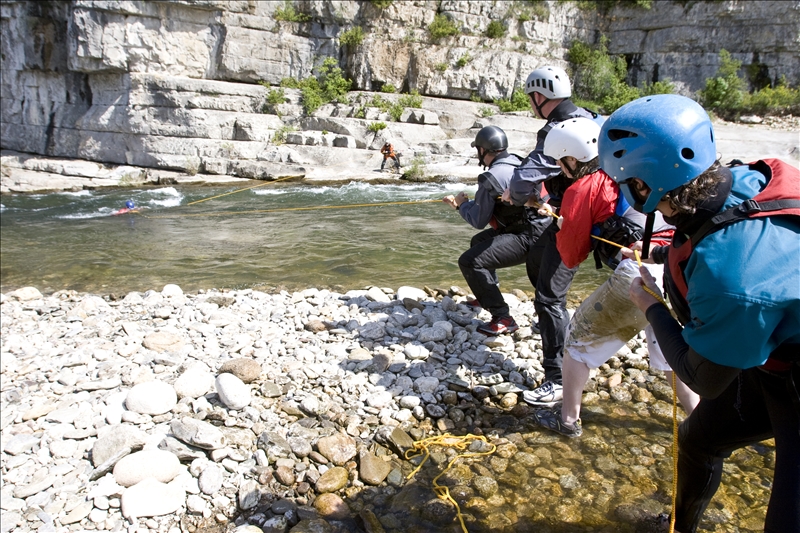 This week on the Disaster Podcast, we talk about the recent response to flooding in Kerr County, Texas. With more than a hundred confirmed dead and over a hundred people missing at the time of this podcast, this is one of the most devastating flood events in the U.S.
Dr. Joe Holley joins co-hosts Sam Bradley and Jamie Davis to discuss the difficulties encountered by responders to this unprecedented hundred-year storm event. USAR teams from around the region converged on the Guadalupe River to engage in rescue efforts. People were pulled from the flood waters, the roofs of houses and cabins, and perched in trees more than twenty-five feet high.
Scroll down for Podcast Discussion Summary
 Thank you as always to Paragon Medical Education Group for their long-term support of the Disaster Podcast. Dr. Joe Holley and the team at Paragon continue to provide excellent and customized disaster response training to jurisdictions around the U.S. and internationally as well.
Podcast Discussion Summary
FEMA Response and Health Impacts
The group discussed FEMA’s response to recent flooding events, with Joe noting that while FEMA’s handling had its challenges, the situation highlighted the need for mutual aid agreements between states due to limited expertise and capability in handling such infrequent disasters.
They agreed to focus their podcast episode on the health effects of the flooding, with Jamie and Sam introducing the episode and welcoming Dr. Joe as a guest expert to provide insights on the medical aspects of the disaster response.
Texas Flood Disaster Analysis
The group discussed the recent flooding in Texas, where the death toll reached 121 with 166 people still missing, suggesting a total of around 300 casualties. They explored the combination of meteorological events, dry conditions, and topography that led to the extreme flooding, noting that the National Weather Service provided timely warnings despite challenges with alert dissemination during the night.
Jamie emphasized that the rapid onset of the flood, similar to nighttime tornado events, made evacuation difficult, and while better alerts could have helped, the speed of the water made many deaths inevitable.
Challenges in Disaster Rescue Funding
Jamie and Joe discussed the need for state and federal funding for alert systems, emphasizing that communities must balance prevention costs with other pressing needs. They highlighted the challenges faced by search and rescue teams in the aftermath of the disaster, including difficult weather conditions, mud-covered debris, and the presence of potentially dangerous wildlife.
Joe noted that the search effort would likely take weeks, with the possibility of finding more victims under the mud and debris, and expressed concern about the physical and mental toll on rescuers.
Emergency Response Coordination in Kerr County
Sam and Joe discussed the deployment of emergency response personnel and equipment in Kerr County. Sam provided statistics on the number of responders from various agencies, while Joe explained FEMA’s role in supporting state and local resources.
They expressed concerns about the transition to a more state-focused response system and the potential for roadblocks and delays in emergency response. The conversation touched on the challenges of managing volunteer responders and the importance of proper coordination between different agencies.
Canine Deployment Safety Concerns
Joe expressed concerns about the deployment of canine resources in high-risk rescue operations, emphasizing the importance of proper screening and understanding of a dog’s capabilities. He highlighted instances where untrained or improperly vetted dogs and handlers could lead to unnecessary risks and deaths.
Sam agreed, noting that FEMA dogs are trained to a high standard and are not mixed for different purposes. Jamie raised a question about the increasing reliance on non-governmental organizations in future deployments due to federal resource cutbacks, to which Joe responded that while these organizations can provide immediate help, it’s crucial to ensure that the right resources are deployed correctly to minimize risks and maximize efficiency.
Flooding Hazards and Safety Measures
The discussion focused on the health risks and safety concerns associated with prolonged exposure to flooding environments, including acute injuries, infectious diseases, and exposure to toxins. Joe emphasized the importance of proper protective equipment and monitoring for rescuers, while Sam highlighted the need for NOAA weather radios and early warnings to prevent disasters.
Jamie noted that extreme weather events are likely to increase due to global warming, and the group agreed on the importance of personal preparedness and flexible response strategies.
Emergency Preparedness and Training Updates
The group discussed the importance of preparing for unexpected scenarios, with Joe sharing his experience of creating training scenarios that were initially dismissed but later proved relevant. Joe mentioned that Paragon Medical Education Group is currently involved in potential research projects related to airway issues in the coming months.
The participants also discussed how to find more information about their services, with Joe and Sam providing details about their online presence and contact options. Jamie shared updates on the ongoing situation in Kentucky, highlighting the challenges in finding missing individuals and the possibility of long-term recovery efforts.
Sam thanked Dr. Joe and the team at Paragon Medical Education Group for their continued sponsorship, highlighting the customizability of their training resources.
Catch the full episode using the player above or on your favorite podcast platform, and don’t forget to subscribe to the Disaster Podcast for weekly insights from leaders in disaster response and research!


Recent Comments