Tropical Storm Bertha Causes Flooding
Podcast: Play in new window | Download
Subscribe: Apple Podcasts | RSS | More
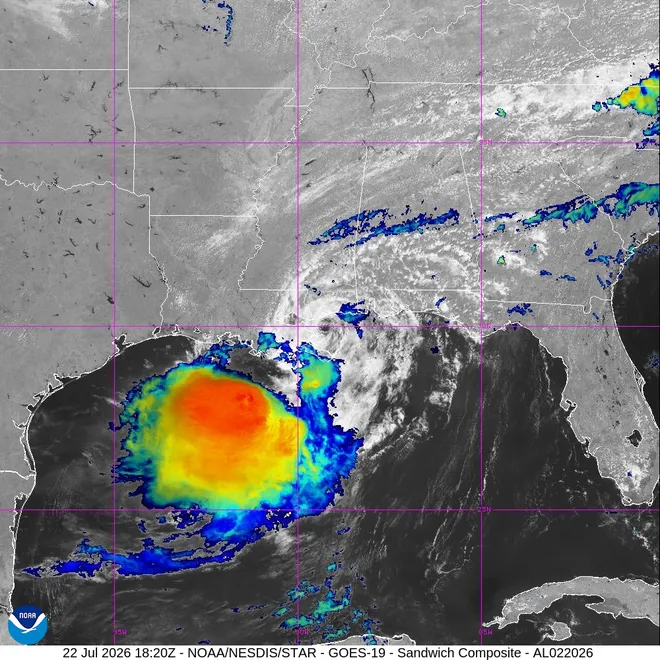 Disaster Meteorologist Dan DePodwin joins us again today on the show. We look at recent severe weather impacts on the U.S. including Tropical Storm Bertha skirting the gulf coast of the United States. Bertha had two landfall impacts with most of the issues caused due to flooding inland and local storm surge on the coast.
The episode was co-hosted by Sam Bradley and Jamie Davis.
Scroll down for Podcast Discussion Summary
 Thank you as always to Paragon Medical Education Group for their long-term support of the Disaster Podcast. Dr. Joe Holley and the team at Paragon continue to provide excellent and customized disaster response training to jurisdictions around the U.S. and internationally as well.
Podcast Discussion Summary
Tropical Storm Bertha Update
The meeting focused on Tropical Storm Bertha, which has been downgraded to a tropical depression. Dan explained that while the storm caused some flooding and storm surge in Louisiana and Texas, its overall impact would likely be minimal and short-lived. He noted that Bertha’s unusual westward movement into Mexico rather than eastward was due to wind shear, and that the storm would not significantly impact the northeastern United States over the weekend.
Western US Flash Flood Risks
Dan discussed weather conditions in the western United States, highlighting the risks of flash flooding from heavy thunderstorms in mountainous regions like Utah, Colorado, Arizona, and New Mexico. He explained that even small amounts of rain can quickly cause dangerous flash floods due to the terrain’s rapid channeling of water through rivers, creeks, and dry washes. Dan recommended using NOAA Weather Radio for alerts in remote areas without cell service and advised starting outdoor activities early in the morning to avoid afternoon thunderstorms.
Flash Flooding Risk and Preparedness
Dan and Sam discussed the risks of flash flooding in low-lying areas during summer, particularly referencing a tragic flood at Camp Mystic in Texas that killed over 100 people. Dan explained that while overall precipitation may not have increased significantly, heavy rain events are becoming more intense due to climate change, which causes more flash flooding.
The discussion covered practical flood preparedness measures, including checking FEMA maps for flood zones, considering insurance, and creating drainage solutions, with Dan sharing an example of Becky clearing a clogged street drain during a recent storm.
Heat and Storm Safety Guidance
Dan discussed the current heat wave affecting the western United States, particularly the desert southwest, with Phoenix expected to reach 110 degrees. He advised people to stay hydrated, seek shade, and do outdoor activities early in the day to avoid the dangerous heat.
The discussion also covered hurricane preparedness, with Dan explaining that people in hurricane-prone areas should consider evacuation plans and have emergency supplies ready, noting that hurricanes typically provide advance warning unlike flash floods. Regarding tornado safety, Dan advised having a way to receive warnings and knowing where to go for shelter, particularly recommending interior basement locations if available.
Wrap up and updates
The team went through contact information and the team encouraged listeners to stay safe. The group discussed the role of specialized training, with Jamie highlighting the sponsorship of the Disaster Podcast by Paragon Medical Education Group.
Catch the full episode using the player above or on your favorite podcast platform, and don’t forget to subscribe to the Disaster Podcast for weekly insights from leaders in disaster response and research!


Recent Comments